
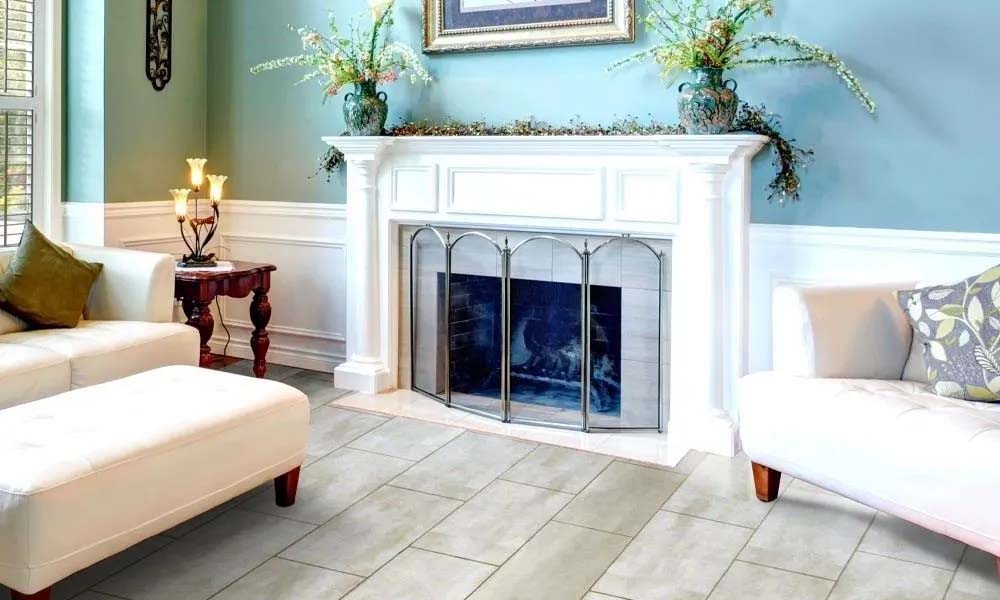
When it comes to high-moisture areas like bathrooms, kitchens, and basements, choosing the right flooring can make all the difference. Moisture can cause significant damage to your floors over time, so selecting flooring materials that are both durable and moisture-resistant is crucial.
But with so many options available, how do you know which one is the best for your home?
In this blog, we’ll explore the top flooring choices for high-moisture areas, highlighting key factors to consider, including water resistance, maintenance, and overall aesthetic appeal.
1. Consider the Moisture Level in the Area
Not all high-moisture areas are created equal. Bathrooms, for instance, tend to experience higher levels of humidity due to showers and baths, while kitchens often deal with spills and splashes.
Basements can also be prone to moisture from below, especially in older homes. The first step in selecting the right flooring is understanding the moisture levels in the area and choosing a material that can handle these conditions.
For extremely wet environments like bathrooms or laundry rooms, waterproof flooring is a must. For moderately moist areas, you may have more flexibility with moisture-resistant materials.
2. Waterproof Flooring Options
When choosing flooring for high-moisture areas, waterproof options are often the best choice. Here are some of the top waterproof flooring solutions:
Vinyl Flooring: Vinyl is one of the most popular choices for high-moisture areas. Available in both sheet and tile forms, vinyl is waterproof and easy to maintain. It comes in a variety of styles, including those that mimic wood, stone, and ceramic, so you don’t have to sacrifice aesthetics for functionality.
Porcelain or Ceramic Tiles: These classic flooring options are perfect for bathrooms, kitchens, and other wet areas. Ceramic and porcelain tiles are both waterproof, durable, and relatively easy to clean. With a wide variety of styles, colours, and finishes available, you can create a sleek and stylish look without worrying about water damage.
Waterproof Laminate Flooring: While laminate flooring is typically not recommended for high-moisture areas, newer, waterproof laminate options are becoming available. These laminate floors come with a water-resistant core and a tough, waterproof surface layer, making them a solid choice for areas with moderate moisture exposure.
3. Moisture-Resistant Flooring Materials
If you want to avoid completely waterproof flooring, there are several moisture-resistant options that can work well in high-moisture areas.
Engineered Hardwood: Engineered hardwood is made of a thin layer of real wood on top of a moisture-resistant core. Unlike traditional hardwood floors, which can warp and buckle in humid conditions, engineered hardwood provides a more stable alternative. However, it’s still important to wipe up spills quickly to avoid water damage.
Bamboo Flooring: Bamboo is a sustainable and eco-friendly material that is naturally moisture-resistant. While it’s not entirely waterproof, bamboo is a durable option for high-moisture areas like kitchens and bathrooms. Make sure to choose a strand-woven bamboo variety, as it tends to be more moisture-resistant than traditional bamboo.
Cork Flooring: Cork is another environmentally friendly flooring option that provides moisture resistance. It’s naturally anti-microbial, making it a good choice for areas like kitchens and basements where moisture can lead to mould and mildew growth. However, cork flooring should still be sealed to prevent water absorption.
4. Aesthetic Considerations
While functionality is important, don’t forget about aesthetics. The right flooring should complement your home’s style while offering the necessary protection from moisture. Whether you prefer the look of natural wood, sleek tiles, or contemporary laminate, there are plenty of options to suit your taste.
Tile and Stone Looks: If you’re drawn to the look of natural stone or wood but need a waterproof option, consider porcelain or vinyl planks that mimic these materials. You’ll get the same stylish look without the risk of water damage.
Light-Coloured Floors: Lighter floors can help make small spaces look larger and brighter, which is especially important in high-moisture areas like bathrooms or basements. Choosing a light-coloured tile or vinyl floor will not only brighten up the space but also hide moisture-related stains more easily.
5. Maintenance and Cleaning
Ease of maintenance is another important factor to consider when choosing flooring for high-moisture areas. Waterproof materials like vinyl and tiles are very easy to clean and maintain. However, materials like engineered wood and bamboo require a bit more care. It’s important to clean up spills immediately to avoid potential damage, and you may need to re-seal the floor occasionally to ensure its moisture resistance.
For added protection, consider adding a moisture barrier under your flooring. This extra layer can help prevent moisture from seeping into the subfloor and causing damage over time.
Conclusion
Choosing the right flooring for high-moisture areas is essential to ensure that your floors remain durable, functional, and beautiful for years to come.
Waterproof flooring options like vinyl, tiles, and waterproof laminate provide the best protection against water damage, while moisture-resistant options like engineered hardwood and bamboo offer excellent alternatives. Consider the moisture level in each area, your preferred aesthetic, and your maintenance preferences when selecting flooring for your home.
Need help choosing the right flooring? Contact ImagEffects today! Our experts can guide you through the selection process and help you find the perfect flooring solution for your home.
FAQs
What is the best flooring for high-moisture areas like bathrooms?
Waterproof flooring options like vinyl and porcelain tiles are ideal for bathrooms due to their resistance to moisture.
Can I use regular hardwood floors in kitchens?
It’s best to avoid solid hardwood in kitchens, as it can warp with moisture. Opt for engineered hardwood or waterproof laminate instead.
Is bamboo flooring a good option for bathrooms?
Bamboo is moisture-resistant but not waterproof. It can work in bathrooms if sealed properly and maintained with care.
What flooring is best for basements with high humidity?
Vinyl and porcelain tiles are great for basements, as they resist moisture and won’t warp or swell.
How do I maintain waterproof flooring?
Waterproof flooring is easy to maintain. Clean spills immediately and avoid excessive moisture exposure. Regularly sweep and mop to keep the floors looking great.