
As we become more conscious of our environmental footprint, choosing sustainable home products has never been more important. Flooring is a significant aspect of any home, and luckily, eco-friendly flooring options are now more stylish, durable, and accessible than ever before.
Whether you’re renovating or building from the ground up, making an environmentally friendly flooring choice can significantly reduce your home’s carbon footprint. In this blog, we’ll explore some of the best eco-friendly flooring options for 2025, highlighting the materials that are both sustainable and practical for your home.
1. Bamboo Flooring
Bamboo flooring has long been a popular choice for eco-conscious homeowners. As one of the fastest-growing plants on Earth, bamboo is incredibly sustainable. It grows quickly and requires no replanting after harvesting, making it an excellent renewable resource.
Why Choose Bamboo?
- Sustainability: Bamboo can be harvested every 3–5 years, unlike hardwood trees that take decades to mature.
- Durability: Bamboo is a strong and resilient material that can last for many years, even in high-traffic areas.
- Variety of Styles: Bamboo comes in different finishes and colours, allowing you to match it to your home’s aesthetic.
However, not all bamboo flooring is created equal. Look for products that are certified by credible eco-certification programs to ensure that they have been sourced responsibly.
2. Cork Flooring
Cork is another eco-friendly flooring option that’s gaining traction in 2025. It’s made from the bark of cork oak trees, which naturally regenerate after harvesting, making it a renewable resource. Cork flooring is also known for its comfort and soundproofing qualities.
Why Choose Cork?
- Renewable Resource: Cork trees don’t need to be felled; the bark regenerates every 9 years, ensuring minimal impact on the environment.
- Comfort and Insulation: Cork is soft underfoot, making it a great option for spaces where you spend a lot of time standing, like kitchens or playrooms.
- Natural Resistance: Cork is naturally resistant to mould, mildew, and pests, making it a durable option for various environments.
It’s important to choose cork flooring that’s been sealed with non-toxic, water-based finishes to ensure it remains eco-friendly and safe for the home.
3. Reclaimed Wood Flooring
Reclaimed wood flooring is one of the most sustainable flooring options available. This type of wood comes from old barns, factories, and warehouses, giving it a second life and preventing the destruction of new forests. Reclaimed wood flooring adds character and history to your home, making it a great choice for those who appreciate unique, one-of-a-kind designs.
Why Choose Reclaimed Wood?
- Sustainability: By using reclaimed wood, you’re reducing the need to harvest new trees, preserving natural habitats.
- Durability: Reclaimed wood is often more durable than newly harvested wood since it’s already been weathered and aged.
- Aesthetic Appeal: Reclaimed wood has a rich, rustic look that can add warmth and charm to any room.
However, make sure to choose wood that has been sourced ethically, and ensure that it has been properly treated to avoid pests and contaminants.
4. Linoleum Flooring
Linoleum is another eco-friendly flooring option that is gaining popularity in 2025. Unlike vinyl, which is made from petroleum-based products, linoleum is made from natural materials like linseed oil, cork powder, and wood flour. It’s biodegradable, durable, and available in a wide range of colours and designs.
Why Choose Linoleum?
- Natural and Biodegradable: Linoleum is made from renewable materials and is completely biodegradable at the end of its life.
- Durability: Linoleum is highly durable, resistant to scratches, and can last for decades with proper care.
- Low Maintenance: It’s easy to clean and maintain, making it a practical option for high-traffic areas like kitchens and hallways.
Linoleum also has antimicrobial properties, making it a hygienic choice for areas where cleanliness is essential.
5. Sustainable Carpet Options
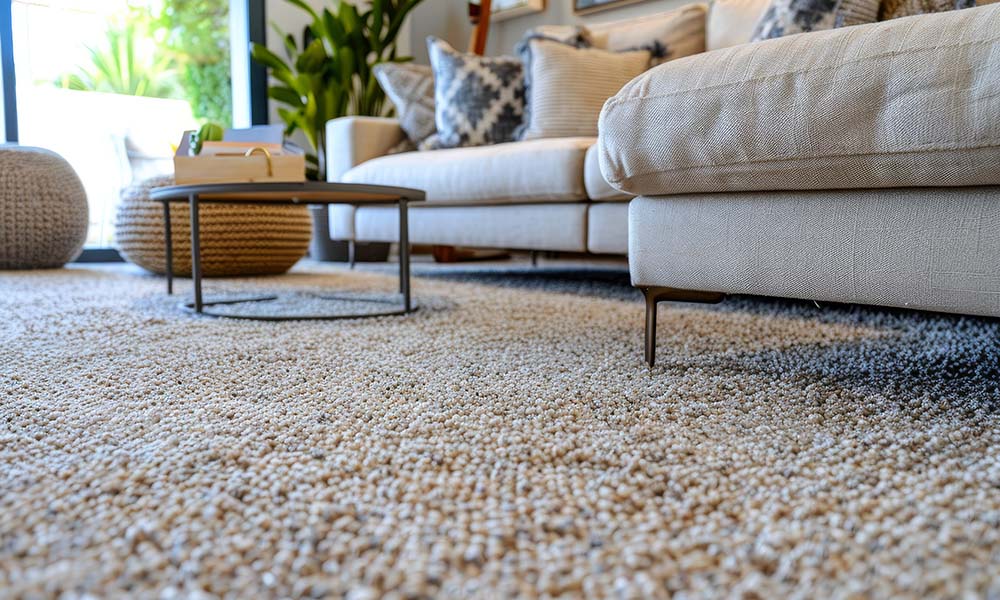
Carpet is often seen as a less sustainable flooring option, but there are now eco-friendly carpets available that are made from renewable, recyclable, or biodegradable materials. Wool, for example, is a natural fibre that is biodegradable and sustainable. Additionally, carpets made from recycled materials like PET plastic bottles are gaining popularity in the green building industry.
Why Choose Sustainable Carpet?
- Renewable Materials: Wool and other natural fibres are renewable and biodegradable, making them a great option for eco-friendly homes.
- Recycled Content: Carpets made from recycled PET plastic reduce waste and lower the demand for new raw materials.
- Comfort and Insulation: Sustainable carpets provide comfort, warmth, and sound insulation, making them ideal for bedrooms and living rooms.
When choosing eco-friendly carpet, look for those that are free from harmful chemicals and dyes and have a low environmental impact in their production.
6. Concrete Flooring
Concrete flooring is a highly durable, low-maintenance, and eco-friendly flooring option for modern homes. It can be polished, stained, or textured to create a variety of looks, from industrial to sleek and contemporary.
Why Choose Concrete?
- Low Environmental Impact: Concrete is made from abundant natural materials and is highly durable, meaning it can last for decades.
- Energy Efficiency: Concrete floors can help maintain consistent temperatures in your home, reducing the need for heating and cooling.
- Recyclability: Concrete can be recycled and reused, making it a sustainable choice for both new builds and renovations.
Concrete is an excellent option for areas like basements or modern living spaces, but it may require sealing to prevent stains.
Conclusion
In 2025, there are plenty of eco-friendly flooring options to choose from, whether you’re renovating an old home or designing a new one.
Sustainable materials like bamboo, cork, reclaimed wood, linoleum, sustainable carpets, and concrete are not only better for the environment but also offer long-lasting durability and style. By opting for green flooring solutions, you’ll not only be making an eco-conscious decision but also enhancing the beauty and comfort of your home.
Want to make a sustainable choice for your home? Contact ImagEffects today! Our experts can help you find the perfect eco-friendly flooring solution to fit your style and values.
FAQs
What is the most sustainable flooring option for 2025?
Bamboo and cork are some of the most sustainable options available due to their renewable nature and minimal environmental impact.
Is linoleum better than vinyl?
Yes, linoleum is made from natural, biodegradable materials, whereas vinyl is made from petroleum-based products, making linoleum a greener choice.
How long does reclaimed wood flooring last?
Reclaimed wood can last for decades when properly maintained, as it’s often more durable than newly harvested wood.
Can I use concrete flooring in high-moisture areas?
Yes, concrete flooring is a durable and low-maintenance option for areas like basements, but it may require sealing to protect against moisture.
Are sustainable carpets more expensive than regular carpets?
Sustainable carpets can be slightly more expensive upfront, but they offer long-term durability and environmental benefits, making them a worthwhile investment.