
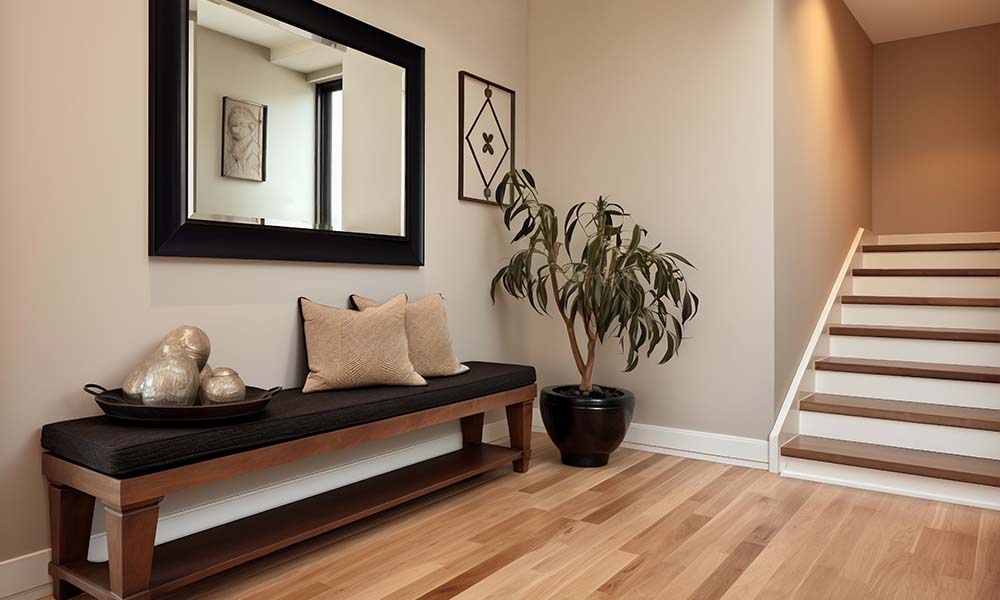
When it comes to choosing the right flooring for your home, three popular options often come up: hardwood, laminate, and vinyl.
Each offers distinct benefits and drawbacks, making it important to consider your specific needs, lifestyle, and budget before making a decision. Whether you’re renovating a single room or outfitting your entire home, understanding the differences between these materials will help you make the best choice.
In this blog, we’ll compare hardwood, laminate, and vinyl flooring to help you decide which one is the right fit for your home.
1. Hardwood Flooring: Classic Elegance and Durability
Hardwood flooring is a timeless option that adds warmth, beauty, and value to your home.
Made from solid wood, this flooring option is known for its durability and long lifespan, often lasting several decades with proper care.
It’s a favourite among homeowners who want to achieve a high-end, natural aesthetic in their living spaces.
Pros of Hardwood Flooring:
- Longevity: Hardwood can last for decades and even be refinished to restore its original look. With proper care, it can be a lifetime investment.
- Aesthetic Appeal: Nothing beats the natural beauty of hardwood. The rich grain patterns and colour variations make each floor unique.
- Increases Home Value: Hardwood is a sought-after feature that can increase your home’s resale value.
- Natural Material: Hardwood is an eco-friendly option if sourced sustainably.
Cons of Hardwood Flooring:
- Cost: Hardwood is one of the more expensive flooring options, both in terms of material costs and installation.
- Prone to Scratching: Although durable, hardwood can be scratched by pet claws or heavy furniture.
- Vulnerable to Moisture: Hardwood is not ideal for areas with high moisture, like bathrooms or basements, as it can warp and swell.
Best for: Homeowners looking for a classic, high-end aesthetic and long-lasting durability. Suitable for living rooms, bedrooms, and dining areas.
2. Laminate Flooring: Affordable and Versatile
Laminate flooring is a budget-friendly alternative to hardwood, designed to mimic the look of wood, stone, or tile without the high price tag. It’s made by fusing multiple layers together, with the top layer designed to look like the surface of wood or stone.
Laminate is known for being easy to maintain and more resistant to damage compared to hardwood.
Pros of Laminate Flooring:
- Affordable: Laminate flooring offers the look of hardwood at a fraction of the cost, making it an excellent option for those on a budget.
- Durable: Laminate is resistant to scratches, stains, and fading, making it a good option for high-traffic areas.
- Low Maintenance: Unlike hardwood, laminate does not need refinishing and is easy to clean. It resists stains and spills, which is a big plus for families and pet owners.
- Wide Variety of Styles: Laminate comes in many designs, including those that mimic wood, stone, and tile, giving you plenty of choices to fit your style.
Cons of Laminate Flooring:
- Cannot Be Refinished: Unlike hardwood, laminate cannot be refinished once it shows signs of wear. If the surface is damaged, it will need to be replaced.
- Not as High-End: While laminate looks similar to hardwood, it lacks the authentic feel and aesthetic of real wood.
- Prone to Moisture Damage: While it can handle occasional spills, laminate flooring is not waterproof and can warp in areas with high moisture, like bathrooms.
Best for: Homeowners looking for a cost-effective and durable flooring option for high-traffic areas. Great for living rooms, kitchens, and hallways.
3. Vinyl Flooring: Affordable and Waterproof
Vinyl flooring is a versatile, waterproof, and budget-friendly option that has gained popularity for its resilience and ease of maintenance. Available in both sheet and tile forms, vinyl offers a wide variety of designs, from natural wood and stone looks to bold, modern styles.
Pros of Vinyl Flooring:
- Waterproof: Vinyl flooring is one of the best options for wet areas, such as bathrooms, kitchens, and basements. It will not warp or swell in humid conditions, making it ideal for moisture-prone spaces.
- Low Maintenance: Vinyl is easy to clean and requires little upkeep. It’s resistant to stains, scratches, and dents, making it pet- and kid-friendly.
- Durable: Vinyl is designed to handle high foot traffic and everyday wear, making it a great option for families and homes with pets.
- Affordable: Vinyl is typically less expensive than both hardwood and laminate, making it an attractive option for those on a budget.
- Variety of Designs: Available in a wide range of styles and colours, vinyl can mimic the look of wood, stone, and even ceramic tiles, so you don’t have to sacrifice aesthetics for functionality.
Cons of Vinyl Flooring:
- Can Be Prone to Damage: Although durable, vinyl can get scratched or dented by heavy furniture or sharp objects. Over time, the seams can also show wear.
- Lacks the Aesthetic of Wood: While vinyl can mimic the look of wood, it doesn’t have the same natural feel and authenticity as hardwood.
- Environmental Concerns: Some types of vinyl flooring are made from PVC, which can be harmful to the environment during production and disposal.
Best for: Homeowners who need waterproof, low-maintenance flooring that can withstand wear and tear. Perfect for kitchens, bathrooms, basements, and laundry rooms.
4. Cost Comparison: Which Is Most Budget-Friendly?
When comparing hardwood, laminate, and vinyl flooring, cost is often a key consideration. Here’s a breakdown of what to expect:
- Hardwood: The most expensive of the three options, hardwood can cost anywhere from $8 to $15 per square foot, depending on the type of wood and installation costs.
- Laminate: Laminate is much more affordable, typically costing between $1 and $5 per square foot, with additional costs for installation.
- Vinyl: Vinyl is often the most budget-friendly option, with prices ranging from $2 to $7 per square foot for quality products.
Conclusion
Choosing between hardwood, laminate, and vinyl flooring depends on your lifestyle, budget, and the needs of your home.
Hardwood offers timeless elegance and durability, but it comes with a higher price tag and maintenance requirements. Laminate is a cost-effective alternative that provides good durability and a wide range of styles. Vinyl, on the other hand, is the best option for those needing waterproof, low-maintenance flooring that can withstand high traffic and moisture.
Need help choosing the right flooring for your home? Contact ImagEffects today! Our experts can guide you through the decision-making process and help you select the perfect flooring solution for your lifestyle.
FAQs
Which is better: laminate or vinyl flooring?
It depends on your needs. Laminate is more durable and resembles wood, while vinyl is waterproof and easier to maintain. Vinyl is ideal for wet areas, while laminate is better for dry areas.
Can I install hardwood flooring myself?
While it’s possible to install hardwood flooring yourself, it’s recommended to hire a professional to ensure proper installation and avoid costly mistakes.
Is vinyl flooring a good choice for kitchens?
Yes, vinyl is a great option for kitchens because it’s waterproof and easy to clean, making it ideal for high-traffic and moisture-prone areas.
How long does laminate flooring last?
Laminate flooring can last 15 to 25 years, depending on the quality of the material and how well it’s maintained.
What’s the most affordable flooring option?
Laminate and vinyl are both affordable flooring options, with vinyl typically being the least expensive, making it a popular choice for budget-conscious homeowners.